
Wow, that surprised me.
I installed a browser wallet and expected friction. The extension popped up, offered a seed phrase, and asked me to set a password. At first I hesitated; something about browser wallets feels risky. Then I noticed the account interface was clean, and my instinct said this might actually work for daily use.
Whoa, seriously felt odd.
I played with token swaps and small transfers right away. The transaction flow was fast and the confirmations came back quick. I started to relax because latency wasn’t a bottleneck like some chains I’ve used. My gut said, this could be practical for people who want on-chain NFTs and simple DeFi moves without babysitting a CLI node.
Hmm, here’s the thing.
Security is the part that bugs me the most about any browser extension. I like having convenience, but not at the cost of careless key management. Initially I thought a browser wallet might be purely convenience theater, though actually the permission UX made me rethink that. The extension isolates keys, prompts for signatures, and makes repeated confirmations obvious, which reduces accidental approvals—still, it’s not perfect.
Okay, quick aside—I’m biased.
I prefer tools that don’t hide complexity behind pretty buttons. That preference drove me to test edge cases, like connecting to less-known dApps and inspecting the transaction payloads. Oh, and by the way, the dev console is your friend when you want to see exactly what’s being requested. I found some dApps ask for broad access identifiers that were unnecessary and very very alarming.
Whoa, watch those requests.
On one hand, many sites only need signature approval for a single action. On the other, some want to request account info repeatedly. Initially I trusted blindly; later I learned to deny and inspect. That change in habit saved me from approving a few dubious calls. My instinct said somethin’ was off the first time and I followed it.
Wow, the UI matters a lot.
A clean layout helps you avoid mistakes. The extension I used grouped NFTs, tokens, and collectibles in a way that made sense to me. There was also a clear place to view recent transaction history, which is something I wish every wallet did better. Seeing that history reduced the anxiety around “Did I just sign something sketchy?” because I could trace the last five actions quickly.
Hey, small wins count.
One thing that surprised me was integration with Solana dApps. Connections were usually seamless. Some dApps still lag in UI polish, but the wallet side rarely stalled. That doesn’t mean it’s flawless—network fees and congestion still show up—but for day-to-day interactions, it felt reliable.
Whoa, performance was consistent.
I ran a batch of transfers during peak hours and the extension didn’t choke. The mempool behavior on Solana is different from EVM chains, and that shows up in how wallets present pending states. I had to adjust my expectations; confirmations can look instant, then take a bit longer to finalize. Patience helps.
Okay, some practical tips.
Keep a secure backup of your seed phrase in a physical place. Use a strong password on the extension and enable any available hardware wallet integration if you can. If you’re testing first, send tiny amounts before moving large sums. I’m not trying to be preachy—just pragmatic. These steps avoid many common losses.
Whoa, consider a hardware layer.
Connecting a hardware wallet adds friction, but it dramatically reduces signing risk. Initially I thought it was overkill for small trades, then I realized how often I switch devices and how that increases exposure. On balance, a hardware step is worth it for assets you care about. That said, you can still be careful without it if you’re disciplined.
Wondering about dApp permissions?
Read them like terms of service but faster. Deny broad requests until you understand why they’re asking. A surprising number of permissions are unnecessary for simple transactions. I once canceled an approval and the dApp still worked after a more granular permission. That taught me not to give blanket access casually.
Wow, the ecosystem is growing fast.
New wallets and extensions keep popping up, each with slightly different priorities. Some chase UX smoothness; others focus on advanced scripting tools and developer features. If you care about NFTs specifically, look for clear asset management tools. If you trade tokens, prioritize swap integrations and fee transparency.
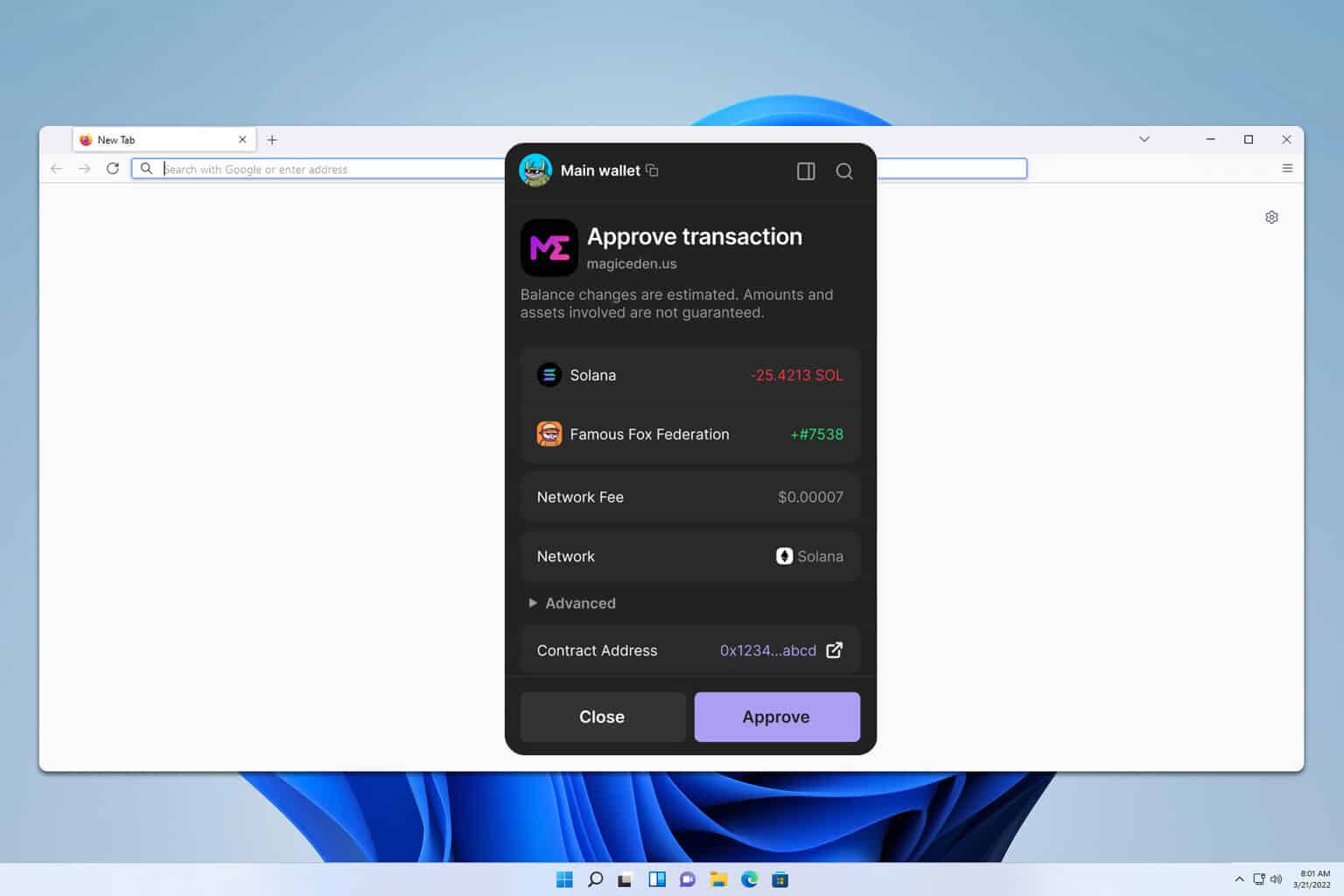
Where to get a solid browser extension
If you’re ready to try one, look for an established option like the phantom wallet in the extension store and follow the safety tips above. Install only from official channels, verify extension permissions, and double-check the publisher name. I learned to vet a release by checking community threads and recent changelogs before trusting it with funds.
Whoa, community signals help.
Forums, Discords, and Twitter threads often surface scam copies quickly. If something seems too shiny or someone’s promising instant riches, step back. I’m not 100% sure every tip in those channels is right, but collectively they point to patterns worth watching. Use them as a radar, not gospel.
Okay, note on mobile apps.
Mobile versions of wallets can be different beasts. Some features present on desktop extensions are absent or trimmed on phones. If you plan to use both, check how accounts sync and whether QR or deep-link flows are secure. I found mobile-first flows convenient, though sometimes slower for signing complex transactions.
Whoa, multi-device needs thought.
Decide which device holds your highest-value account. Use read-only views elsewhere if possible. That way, exposure is limited by design. It’s boring, but boring is safe.
Here’s what bugs me about the space.
Too many users treat keys like passwords. They’re not. A lost seed phrase is usually fatal. Education is improving, but there are still too many “I lost my wallet” posts. Also, UX sometimes prioritizes polish over clarity, which can hide risky defaults. I’m biased toward explicit confirmations and minimal automation.
Wow, there’s a future here.
As wallets mature they’ll get smarter about context-aware permissions, clearer signing details, and better recoverability options. Some teams are already experimenting with session-based approvals and scoped signatures, which reduce risk without ruining UX. I’m cautiously optimistic, though cautious because risk is real.
Common questions
Is a browser wallet safe for beginners?
Yes, if you follow basic hygiene: backup your seed phrase, use a strong password, test with small amounts, and verify extension sources. Hardware wallets raise the bar further, but you can be careful without one at first.
What should I watch for with dApp permissions?
Look for broad “manage” scopes, repeated account info requests, and unfamiliar contract interactions. Deny first, then allow specific actions once you see the minimal required permission works.
Can I use the same wallet on mobile and desktop?
Often yes, but verify synchronization methods and signing flows. Prefer QR or secure link pairing over exporting keys between devices.